



Can AI Replace Developers? A Realistic Look at What Can Happen
With just one command, AI can now write code, review pull requests, and even make whole apps. It is easy to see why this makes engineers all over the world nervous. I have heard experienced developers whisper the question with a mix of worry and interest. Will AI take the place of software engineers, and will it happen soon? This is a fair question because generative AI for coding gets better every month.
But the truth is more complicated than either fear or hype makes it seem. In the AI age, developers futures will not be defined by being replaced; instead, they will be changed.
What AI Is Really Like in Software Development Right Now
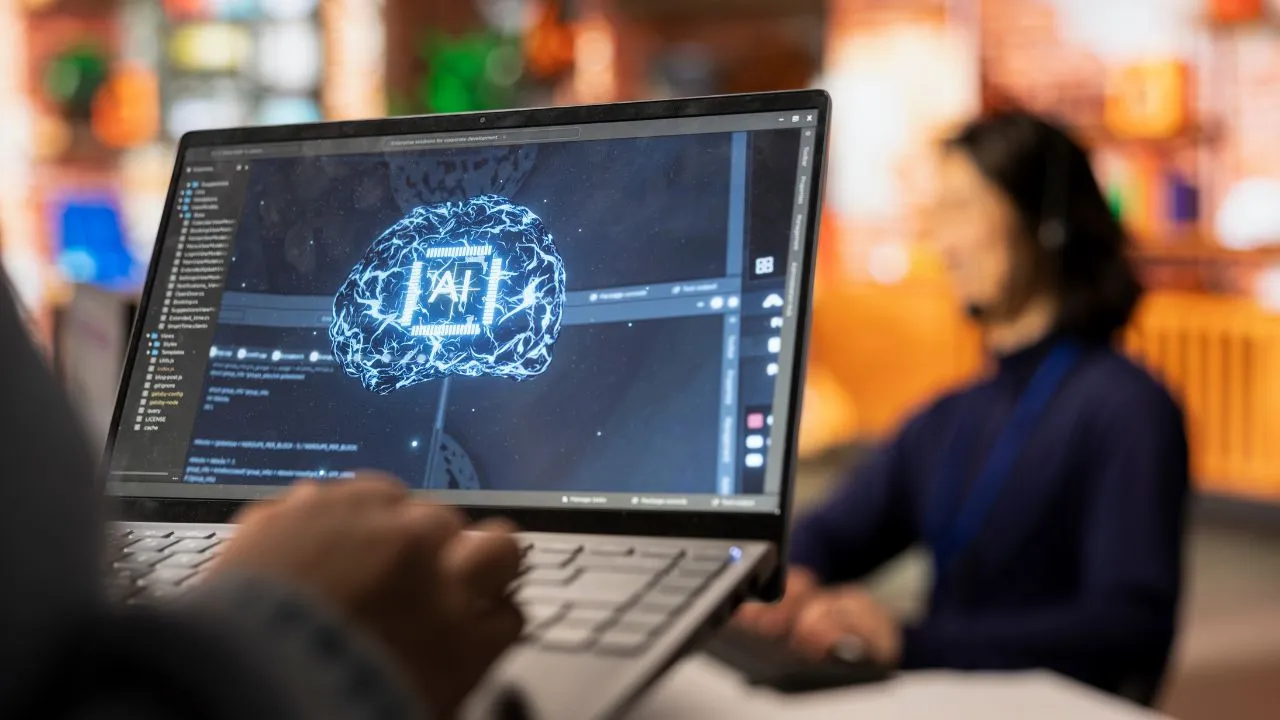
If you spend an afternoon with modern AI coding tools, you will quickly see how smart they are and how limited they are. Code assistants can finish complicated tasks, suggest ways to fix bugs, and even make tests. Some platforms can make a whole backend from just a few lines of code.
People naturally wonder about this amazing progress. Will AI take the place of developers, or will it take the place of all software engineering? Or is this just another step forward in tools like cloud computing or version control?
What AI Can Do Well Right Now
AI is getting really good at doing the same things over and over again, like:
Writing code that is the same every time
Changing one programming language into another
Making tests and documentation
Finding common security problems
Ideas for making code better
AI automated programming works best in places where recognizing patterns is clear and organized.
Where AI Still Fails Briefly
Even with all the excitement, automation still cannot get to some of the most important parts of engineering that need a lot of human context.
System level design that requires analysis of trade offs and judgment
Figuring out business needs that are not clear
Managing communication between teams and stakeholders
Using old systems that do not follow patterns
Coming up with new ideas when there are no examples
If you ask any senior engineer, they will tell you that half of the job is about people, talking to them, and understanding what they mean. Will AI take over these jobs that are focused on people? Not for a while.
Why AI Will Not Take Over Developers But Will Take Over Some Jobs
When people ask if AI will take over developers or if AI will take over software engineering, they often picture a world where businesses stop hiring people. But what is really going on is like when calculators were first used in math. Routine work does not go away; it just gets faster.
AI will take over some parts of software engineering, but not the whole job.
The Most Important Thing Is Still Human Insight
A surprising truth is coming to light. As AI gets better, it becomes more important for people to keep an eye on it. Engineers now oversee, improve, and judge the work that AI does. Developers do not type out every line anymore; instead, they focus on putting together solutions.
This makes it easier to answer the question of whether AI will take over software engineering. AI will change it a lot more than it will replace it.
Examples from the Real World of AI Strengths and Weaknesses

These examples show how AI helps and where it still needs a lot of help from human developers.
Example One A Task for a Junior Developer
You can ask an AI to make a simple REST API, and it will do it in seconds. When the API has to follow business rules, edge cases, or performance limits, though, human engineers have to step in.
Example Two A Senior Architecture Challenge
AI cannot do risk analysis and context like humans can, so designing an event driven architecture for a financial system is hard. Even if a model comes up with a solution, the reasoning is weak and cannot be held responsible for design tradeoffs.
Example Three Updating an Old System
Old codebases have strange bugs that have built up over years of fixes and choices that were not written down. This inconsistency makes it hard for AI to work in software development. Peoples gut feelings and past experiences still guide the process.
What Will Happen to Programmers When AI Comes
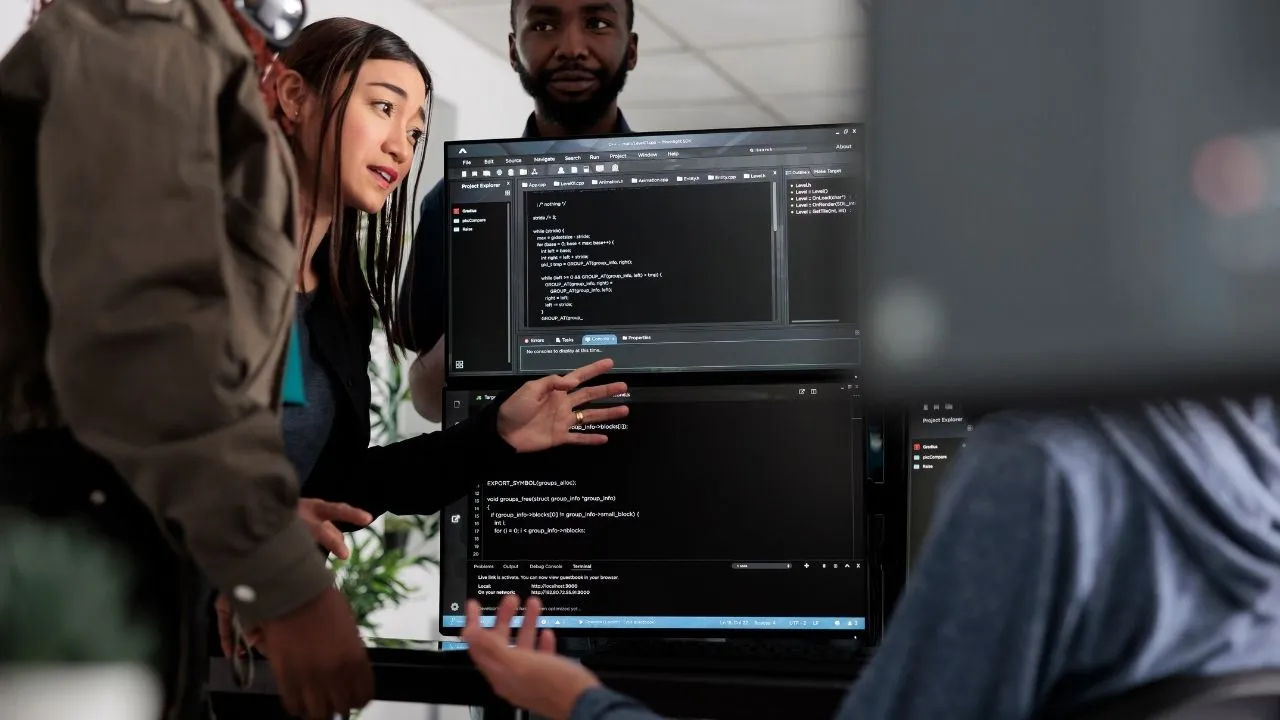
There are still software engineers. They are changing into jobs that focus on strategic thinking, framing problems, overseeing work, and coming up with creative solutions. Engineers who use AI coding tools will get ahead much faster than those who do not.
This is what the next ten years will probably bring:
More automated testing and integration pipelines
Faster cycles for making prototypes
There is a growing need for engineers who can check AI generated code
A move toward defining problems instead of writing every line
More chances to work in AI engineering and prompt architecture
So instead of asking if AI will take over software engineering or programmers, it is better to ask how engineers will work with AI. The answer is that the field will get more creative and more human.
Last Thoughts
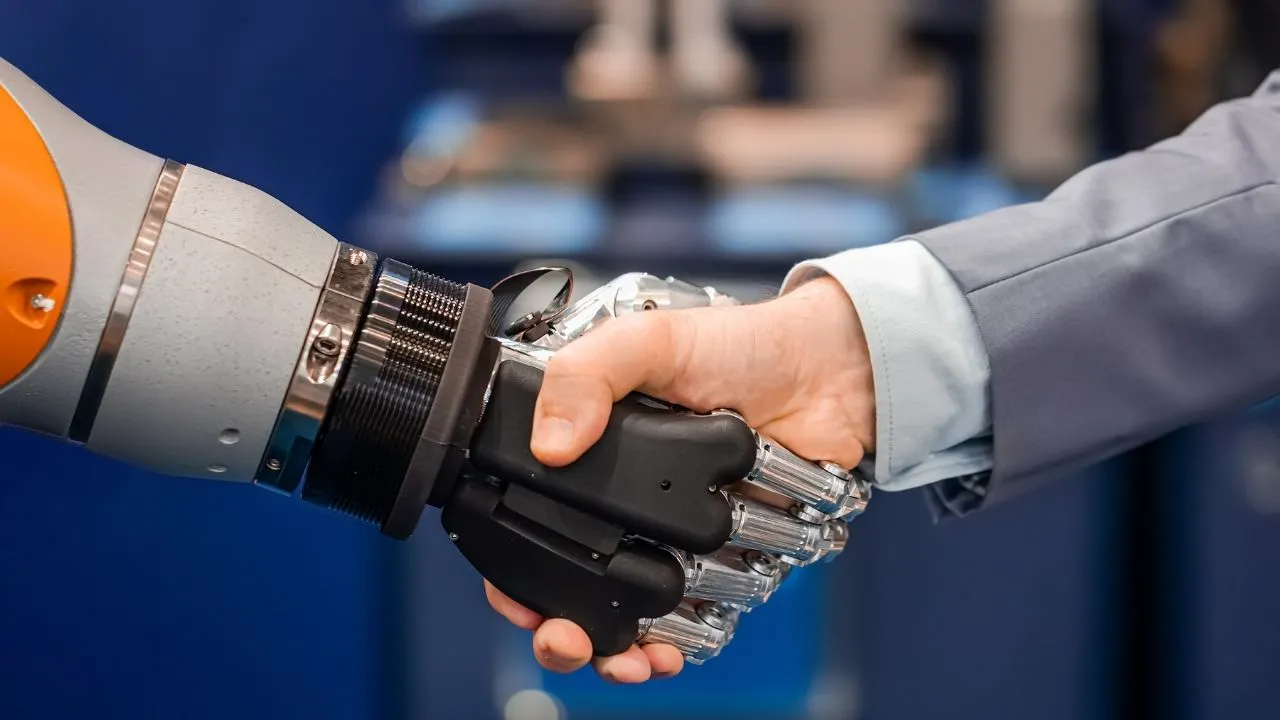
AI will keep changing how software is made, but it will not replace the people who know why the software is needed. Those who use these tools will do well, but those who do not may feel like they are falling behind. Developers are not going away in the age of AI. They are changing.
Find more information in our AI category here.
Check our other AI Articles
Questions and Answers
Will AI take over all software engineering jobs?
No. AI can do some tasks automatically, but it cannot replace human creativity, judgment, or working together.
Can AI do simple tasks that developers do?
AI can make simple apps and basic scaffolding, but a person needs to check them.
Will AI take the place of programmers in ten years?
AI will make people more productive, but it will not completely replace them because complex systems need human supervision.
Why is it that AI can write code?
AI coding tools are great at finding patterns, which helps them make code that is easy to understand and repeat.
Will AI eventually take over software engineering?
Change is more likely than replacement. People will take on more of a role in overseeing things and thinking about the big picture.
